5th CHRIST Med-Arb Competition – Register Now!

โšช๏ธ Early data ยท 0
Too early to tell 0 reports
โš–๏ธ Know if this firm actually replies before applying

Alternative Dispute Resolution (ADR) methods like mediation and arbitration are becoming essential tools for resolving conflicts efficiently. To nurture the next generation of legal professionals, CHRIST (Deemed to be University) is hosting the 5th CHRIST Med-Arb Competition from February 13โ€“15, 2025. This flagship event, organized by the ADR Board, School of Law, blends mediation and arbitration into a dynamic hybrid process.

What is Med-Arb?

Med-Arb is a unique blend of mediation and arbitration, offering a structured yet flexible approach to dispute resolution. It begins with mediation, where parties attempt to reach a mutually beneficial solution. If unresolved, the process transitions to arbitration, ensuring a binding resolution. This innovative combination equips participants with skills to navigate both collaborative and authoritative dispute resolution methods.

Key Features of the Competition

  1. Comprehensive Format: Each team comprises three membersโ€”two as client-counsel pairs and one as a mediator/arbitrator. Teams will compete in both mediation and arbitration sessions.
  2. Round Structure: Participants engage in preliminary rounds, progressing through quarterfinals, semifinals, and finals. The mediator/arbitrator will also draft arbitral awards during the competition.
  3. Awards and Recognition:
    • Best Mediator โ€“ Rs.15,000
    • 2nd Best Mediator โ€“ Rs.5,000
    • Best Med-Arb Client Advocate Team – Rs.15,000
    • 2nd Best Med-Arb Client Advocate Team โ€“ Rs.10,000
    • Best Arbitral Award โ€“ Rs.7,500
    • Best Preliminary Med-Arb Team โ€“ Rs.7,500
    • Best Memorial โ€“ Rs.7,500

Why Participate?

This event offers unparalleled exposure to the intricacies of ADR, fostering critical thinking, negotiation, and advocacy skills. Participants will learn to resolve disputes effectively, gaining insights into real-world applications of ADR mechanisms.

Link for Payment here

Join Us at CHRIST University

Located in the vibrant city of Bengaluru, CHRIST University provides a serene, multicultural environment, perfect for academic and professional growth. Participants will also enjoy well-organized accommodation and campus facilities.

Register before January 1, 2025, and be part of this transformative journey. The 5th CHRIST Med-Arb Competition is your chance to redefine dispute resolution excellence.

Join Our WhatsApp Channel for Opportunity Updates

Get Daily Updates

Join our Telegram Channel for Opportunity Updates

Get Daily Updates

Leave a Reply

Your email address will not be published. Required fields are marked *

Next Article

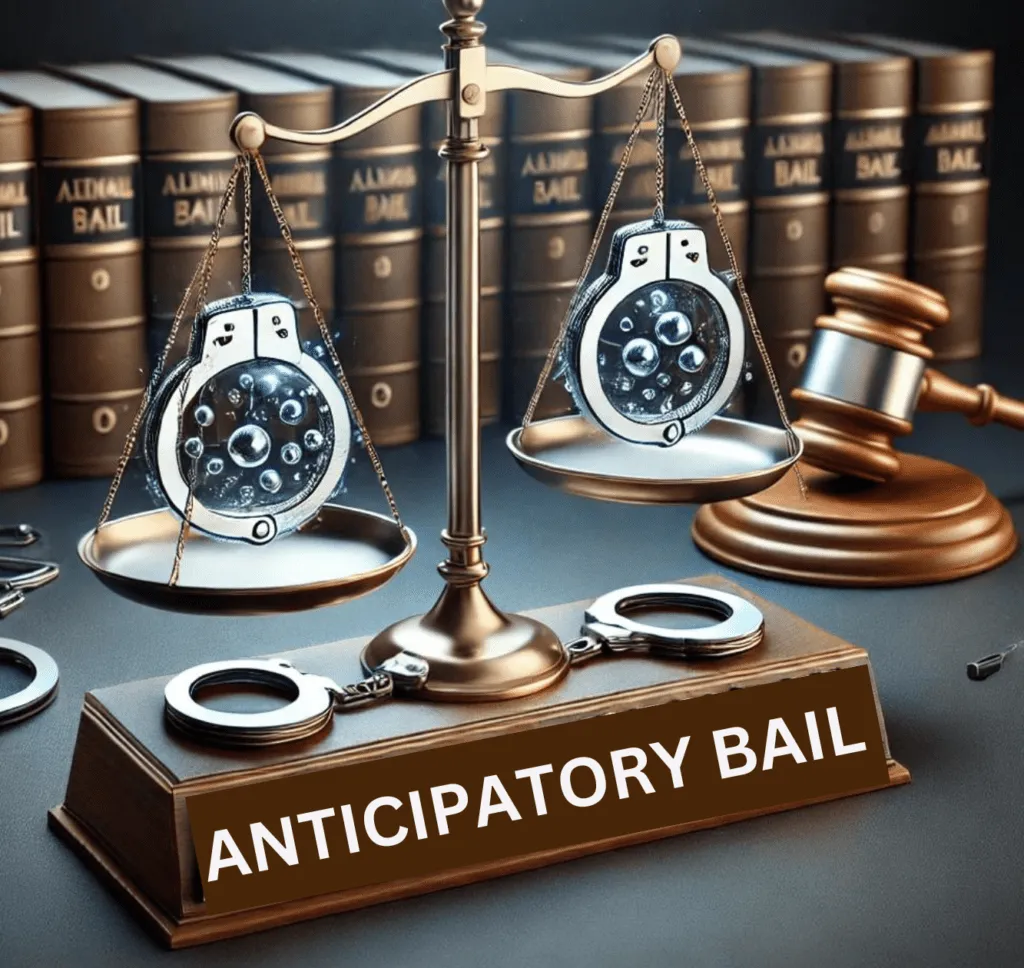
How to get anticipatory Bail in India ?

Anticipatory Bail

Relief Against Unlawful Arrest: Understanding Pre-Arrest Protection

Concept

Anticipatory bail protects individuals at risk of arrest for non-bailable offenses. Specifically, it allows those fearing arrest to seek protection before any police action occurs. Under Section 438 of the Code of Criminal Procedure (CrPC) and Section 482 of the Bharatiya Nagarik Suraksha Sanhita (BNSS), anticipatory bail provides relief until the trial concludes or the court issues a different directive.

Steps to File Applications

Individuals who fear arrest for cognizable and non-bailable offenses can file an anticipatory bail application. Importantly, they can submit this application even before the police register an FIR, provided they have reasonable grounds for their apprehension. However, they should not file without a legitimate fear of arrest.

Jurisdiction of the Court for Applications

Applicants can file anticipatory bail applications in either the Sessions Court at the district level or the High Court at the state level. Generally, the Sessions Court handles these applications; however, the High Court considers them only in cases of extreme urgency.

Points for Consideration before Granting Bail

Judges exercise discretion when granting anticipatory bail, and they consider several key factors, including:

  • The nature and seriousness of the offense
  • The likelihood of the accused absconding
  • The potential for evidence distortion or witness influence

Moreover, the Supreme Court established principles for granting anticipatory bail in Gurbaksh Singh Sibbia & Ors. vs. The State of Punjab (1980) and reiterated these principles in Siddharam Satlingappa Mhetre vs. The State of Maharashtra (2011).

Time Period of Relief

Once the court grants anticipatory bail, it remains effective until the trial concludes, as confirmed in Sushila Aggarwal & Ors. vs. State (NCT of Delhi) (2020).

Conditions Imposed by the Court for Granting Relief

While courts have discretion in granting bail, they may impose specific conditions, such as:

  • Ensuring the accused’s availability during police interrogations
  • Prohibiting threats or influence on witnesses
  • Requiring court permission before leaving the country
  • Complying with signed bonds
  • Avoiding further offenses and tampering with evidence

In exceptional cases, courts may apply restrictive conditions based on the specific facts of the case, as reiterated in Sushila Aggarwal & Ors. v. State (NCT of Delhi) (2020).

Right to Appeal

If a Sessions Court denies an anticipatory bail application, the applicant can appeal to the High Court. If the High Court denies the application again, the applicant may seek relief from the Supreme Court by filing a Special Leave Appeal under Article 136 of the Constitution of India, contingent upon the Supreme Court granting leave.

Timeframe for Filing Applications

The Supreme Court has established that no time limit exists for anticipatory bail applications in India. For instance, in Sushila Aggarwal v. State of NCT of Delhi (2020), the Court affirmed this position, allowing an accused in one case to seek anticipatory bail for a different case without restriction.

Grounds for Cancellation of Relief

The court may cancel bail if the accused violates any set conditions, such as absconding or attempting to influence witnesses. In such cases, the police or investigating agency can.

Written by: Indu Tarmali, 2nd year B.A.LLB, WBNUJS


Read aboutRIGHTS OF VICTIMS UNDER BNSS, 2023.

Join Our WhatsApp Channel for Opportunity Updates

Get Daily Updates

Join our Telegram Channel for Opportunity Updates

Get Daily Updates

Next Article

Contact Us

For Submitting a Post

contact@lawdrishti.com

For Banner ads & admission campaigns

advertise@lawdrishti.com

Timing

Hours: 9 AM โ€“ 9 PM (Mon-Sat)

See the below animation to allow notifications.

Start getting Lawdrishti updates useful for you!

Contact Us

For Submitting a Post

For Banner ads & admission campaigns

Contact us
For Submitting a Post
For Banner ads & admission campaigns
Timing

Hours: 9 AM โ€“ 9 PM (Mon-Sat)